For others, simply the change of stopping to depend upon a substance can cause the tension. In either case, studies have consistently revealed that those who continue to get ongoing psychological and psychological treatment following initial detox are more most likely to be successful in avoiding drug abuse. Comprehensive compound abuse treatment strategies should, therefore, include parts such as the following: What does the patient requirement to understand about preserving sobriety? What psychological health issues does the client battle with? What do the clients need to discover about themselves and others? Which kind of battles are distinct to this individual, and how can we assist? Human beings are social animals.
Both the use of drugs and the staying away from them can have a significant impact on our social life. Aspects of our social life consist of interactions with those in our friends and family groups, as well as our experience within the labor force and with the law. Some social questions that are attended to in an extensive treatment plan are as follows: What does the recuperating individual requirement from enjoyed ones? What do liked ones require from the recovering individual? What requires to take place for the recovering person to acquire, or keep, work? Exist any legal difficulties that have happened as an outcome of the compound usage or cessation? Which legal resources are required? An extensive treatment strategy should be a vibrant and progressing guideline for wellness.

Circumstances requiring modification of preliminary treatment plan aspects can include the client's concerns about the treatment; modifications in the client's life situations; or the discovery of new info which would be advantageous to consist of within the strategy. In addition to the services that are being offered by the treatment center, straight, a detailed compound abuse treatment strategy will likewise consist of access to recommendation and community resources.
Further resource integration can consist of strategies for interacting with regional therapeutic facilities and Helpful hints programs, such as through scheduling ongoing going to of religious or other support system meetings. The treatment strategy need to also include a road map for cessation of intensive intervention, as the client's sobriety ultimately goes into the long-lasting upkeep phase.
A person's culture can describe specifics such as race; sex; family status; and even residency location. Numerous research studies have suggested that both how, and where, we mature can have an effect on how we view the world. These unique point of views on life lend themselves to tailored approaches toward creating mindsets and motivations in sustaining health.
This is an Intermediate Level course. After taking this course, psychological health experts will have the ability to: Describe how preparation treatment to address substance use disorders and concerns can be a collective intervention. Name one objective and 4 matching objectives that can be included into a plan to help a client boost self-efficacy for modification.
Go over 4 important concerns to address in psychoeducation about how treatment works and what the customer can expect in therapy to deal with substance usage issues and conditions. Overview major points for helping customers in weighing risks and advantages of utilizing psychoactive compounds by going over the physiological Substance Abuse Treatment and mental impacts and long-term effects.
Little Known Facts About How To Talk To Employer Discretely About Needing Treatment For Addiction.
Describe four methods which treatment planning can be utilized to strengthen and broaden a client's effective efforts to prevent regression. This course is based upon the most accurate info available as judged by the author at the time of composing and modification. what is the first step of drug addiction treatment. Mental methods to understanding and treating conditions of psychedelic compound use change and grow daily, and new details might emerge that supersedes some content in this course.
Provided the vast variety of psychedelic alcohol and drugs and the complexity of individual behavior, not every treatment context can be specified nor can effectiveness be guaranteed; however the course will prepare the clinician with beneficial concepts and tools for preparing collaboratively with customers with a large spectrum of compound use conditions and issues.
Highlighting that concerns related to a customer's alcohol or substance abuse might emerge at any point in the course of therapy, this course will prepare the specialist to establish treatment plans to address a client's troublesome compound use and to execute and revise those strategies in action to the altering nature of the healing relationship.
We will likewise think about methods to individualize treatment through responding flexibly and testing hypotheses based on the client's special discussion. The first area of this course articulates a structure for treatment preparation by which clients can take part in setting significant objectives and goals for therapy. Keeping in mind that clients who misuse alcohol or other drugs often exhibit low confidence and/or low motivation for changing their behavior, the course provides specific objectives focused on objectives of increasing self-efficacy and motivation for change.
The second section of this course focuses on the energy of including psychoeducational goals and techniques into a treatment strategy created to resolve a client's drug or alcohol use. By both offering details and attending to the customer's reactions to that info, professionals help customers to much better understand the treatment process, the impact of the client's compound use, and the nature of effective healing from bothersome drug or alcohol usage.
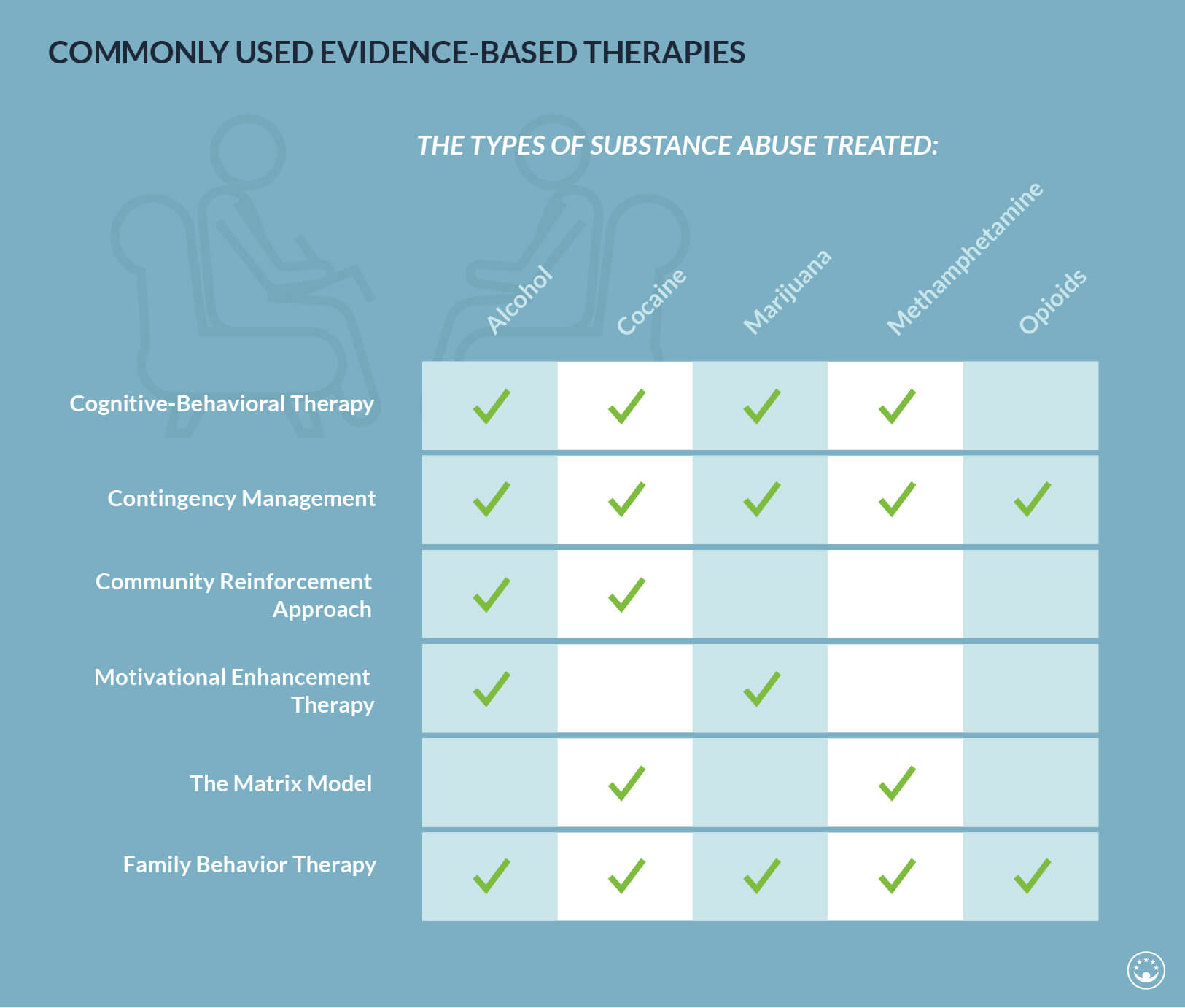
Addressing the possibility of relapse is essential due to the fact that regression is a most likely occurrence in the recovery procedure. Structure on the work of Marlatt and his associates (1985, 2005), this course suggests techniques for strengthening a client's abilities to avoid relapse. These techniques consist https://telegra.ph/h1-styleclearboth-idcontentsection0some-of-what-percentage-of-people-seek-drug-addiction-treatmenth1-09-23 of acknowledging and responding to relapse activates, substituting healthier activities for substance use, managing and finding out from regression if it occurs, and enhancing the customer's successful efforts at regression avoidance.
This course fits with and extends the material from this author's extant course. what is the treatment for drug addiction. The first course covers substance usage assessment, and this 2nd course assists in treatment preparation when an evaluation indicates a problem associated with the client's substance use. While the 2 courses comprise a highly suitable sequence of continuing education opportunities, each course can also stand alone as a fully included training module relevant to a specific aspect of professional practice with the population of clients displaying signs of disordered substance usage.
Getting The How Often Should I Take Shrooms As Treatment Addiction To Work
Replicated by approval of Taylor and Francis Group, LLC, a department of Informa plc. Therapists prepare treatment with clients in efforts to develop meaningful objectives and a strategy to reach them. Treatment planning continues as long as the customer keeps returning for therapy sessions and can also help customers take part in change efforts beyond treatment.
The jobs, goals, and bond that establish through collective treatment preparing all add to reinforcing the working alliance between the therapist and the client. Periodic review is constructed into the strategy given that treatment plans frequently change as brand-new information emerge or as the client's situation and the therapeutic relationship develop.
Metaanalytic research studies of objective consensus and partnership in therapy regularly show considerable moderate result sizes related to beneficial treatment results (Tryon, Birch & Verkuilen, 2018). A plan for treatment offers both the therapist and client an orientation for their work together. A well articulated plan also possibly boosts treatment effectiveness by providing a clear ways for tracking progress towards established objectives.